What does an easy weekday in Lafayette look like? Picture a short school drop-off, a quick loop around the Reservoir, and a dinner stroll downtown before a simple BART ride the next morning. If you want strong public schools, everyday trail access, and a compact main street, this town makes daily life feel practical and bright. In this guide, you’ll see how schools, trails, downtown, transit, and housing all fit together so you can decide if Lafayette matches your goals. Let’s dive in.
Lafayette at a glance
If you are comparing East Bay suburbs, a few Lafayette facts stand out. The 2020 Census shows a population of about 25,391, with high educational attainment and a median household income near $228,250. Owner occupancy is common at roughly 77 percent, and the mean travel time to work is about 29.3 minutes. You can verify these figures on the U.S. Census Bureau’s QuickFacts page for Lafayette.
- Population and profile: See the latest on Census QuickFacts.
- Earnings and education: Adults 25+ hold a bachelor’s degree or higher at about 79 percent.
- Housing context: The Census notes a high median value for owner-occupied homes, reflecting Lafayette’s position in the East Bay market.
Schools and family rhythm
Lafayette’s public schools are a major draw for many families. The Lafayette School District serves grades TK through 8 across four elementary schools and Stanley Middle School. Most students then attend high school in the Acalanes Union High School District. You can explore district programs, budgets, and school accountability reports on the district sites.
- Learn about TK–8 schools on the Lafayette School District site.
- Review high school programs through the Acalanes Union High School District.
Feeder pattern overview
In general, neighborhood elementary schools feed into Stanley Middle School, and most Lafayette students continue to Acalanes High School. For specific boundaries, program offerings, and AP or CTE details, rely on district School Accountability Report Cards and board updates. District pages will also outline any parcel tax measures or program changes that could shape resources.
Enrichment and community support
Community partnerships add depth to daily school life. Parent clubs and Lafayette Partners in Education help fund enrichment, arts, and classroom support. The district shares finance updates and community meeting notices on its site, which is helpful if you want to understand how programs are sustained. Start with the Lafayette School District for current information.
How families evaluate schools
Many parents consult third-party sites as part of their research. You can see a parent-oriented snapshot for Acalanes High on GreatSchools, then confirm curriculum and outcomes on AUHSD and school SARC pages. Use district documents for the most complete and up-to-date details.
Trails and outdoor life
Outdoor time is built into Lafayette’s routine. Between the Reservoir, regional trails, and ridge hikes, you have options for a 30-minute loop or a full morning on single-track.
Lafayette Reservoir essentials
The Lafayette Reservoir, managed by EBMUD, is a favorite for daily walks, family outings, and low-key fitness. The paved Lakeside Nature Trail is about 2.7 miles, and the Rim Trail is about 4.7 miles for a bigger workout. You will also find boat rentals, fishing with proper permits and licenses, picnic areas, and a Visitor Center. Always check the EBMUD Lafayette Reservoir page for current hours, fees, and any temporary closures or construction notices.
Lafayette–Moraga Regional Trail
For a car-free ride or stroller-friendly walk, the Lafayette–Moraga Regional Trail offers roughly 8 miles of paved, multi-use path. It connects neighborhoods to downtown Lafayette and Moraga and links into other regional trail systems. See history and access points on this EBRPD interpretive panel.
Briones Regional Park
When you want ridge views and dirt trails, head into Briones Regional Park. Multiple staging areas around Lafayette and nearby communities make it easy to tailor distance and elevation to your day. Visit EBRPD for Briones Park info and maps.
A simple outdoor day
If you have two hours: start with coffee, do the 2.7-mile Reservoir loop, then picnic under the oaks. With more time: ride a family-friendly section of the Lafayette–Moraga Trail, then relax downtown. For a longer weekend, try a Briones ridge route in the morning and save the Reservoir or trail for a late afternoon cooldown.
Downtown and local events
Downtown Lafayette centers around Lafayette Plaza and a compact, walkable main street. You will find cafes, bakeries, restaurants, boutique shops, and everyday services within a few blocks. The area’s seasonal events add energy and bring neighbors together.
- Taste of Lafayette: Sample local restaurants during this evening stroll. Check the Lafayette Chamber event page for dates and tickets.
- Lafayette Art & Wine Festival: A large fall weekend tradition that draws visitors from across the East Bay. See the festival site for details.
Library and cultural life
The Lafayette Library & Learning Center is an active hub for author talks, children’s programs, and community events. The Lafayette Library Foundation supports much of the programming. For a snapshot of the Foundation’s role, review this organizational overview, and check the City and Library calendars for current events.
Transit and BART access
Commuting from Lafayette is straightforward with BART. The Lafayette Station sits on the Yellow line, and typical trip planners show about 30 to 35 minutes to San Francisco’s Embarcadero Station. For specific trains and timing, use the BART schedules and trip planner. If you drive to the station, review BART’s parking and permit options, since morning spaces can fill quickly.
Housing snapshot and neighborhoods
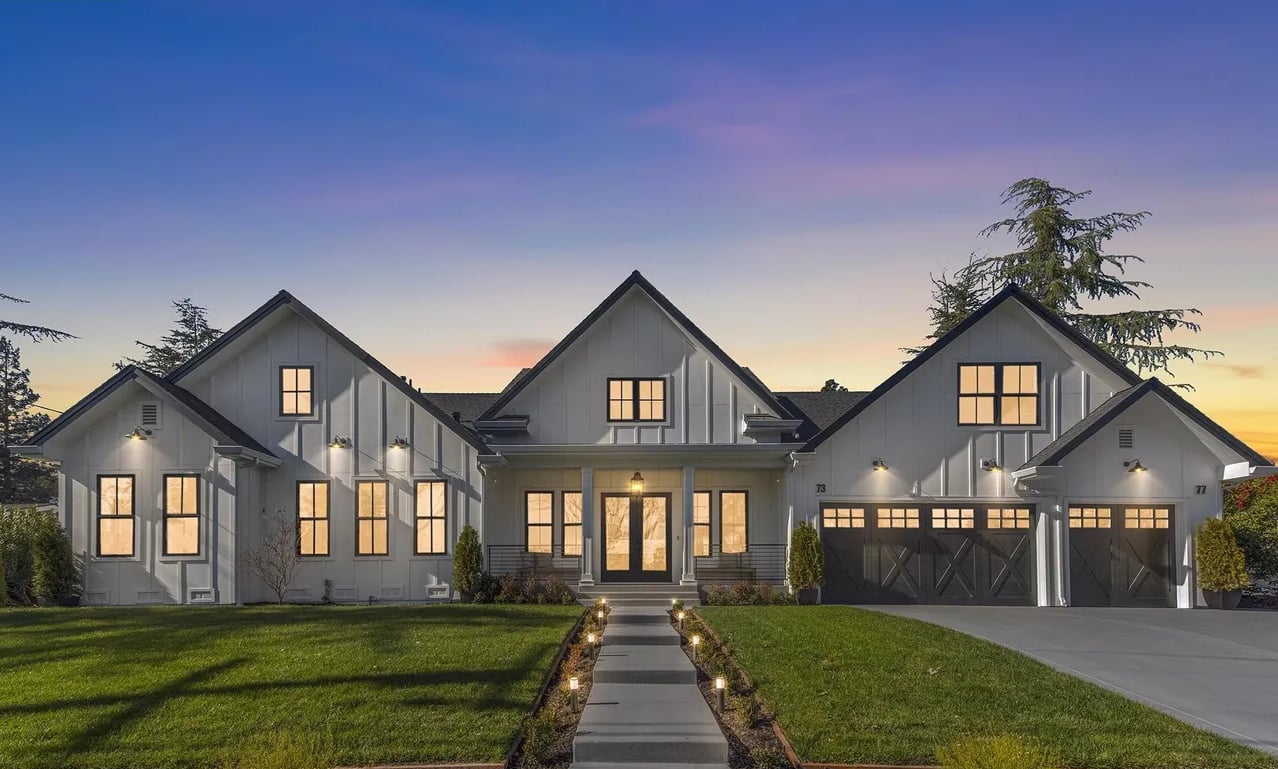
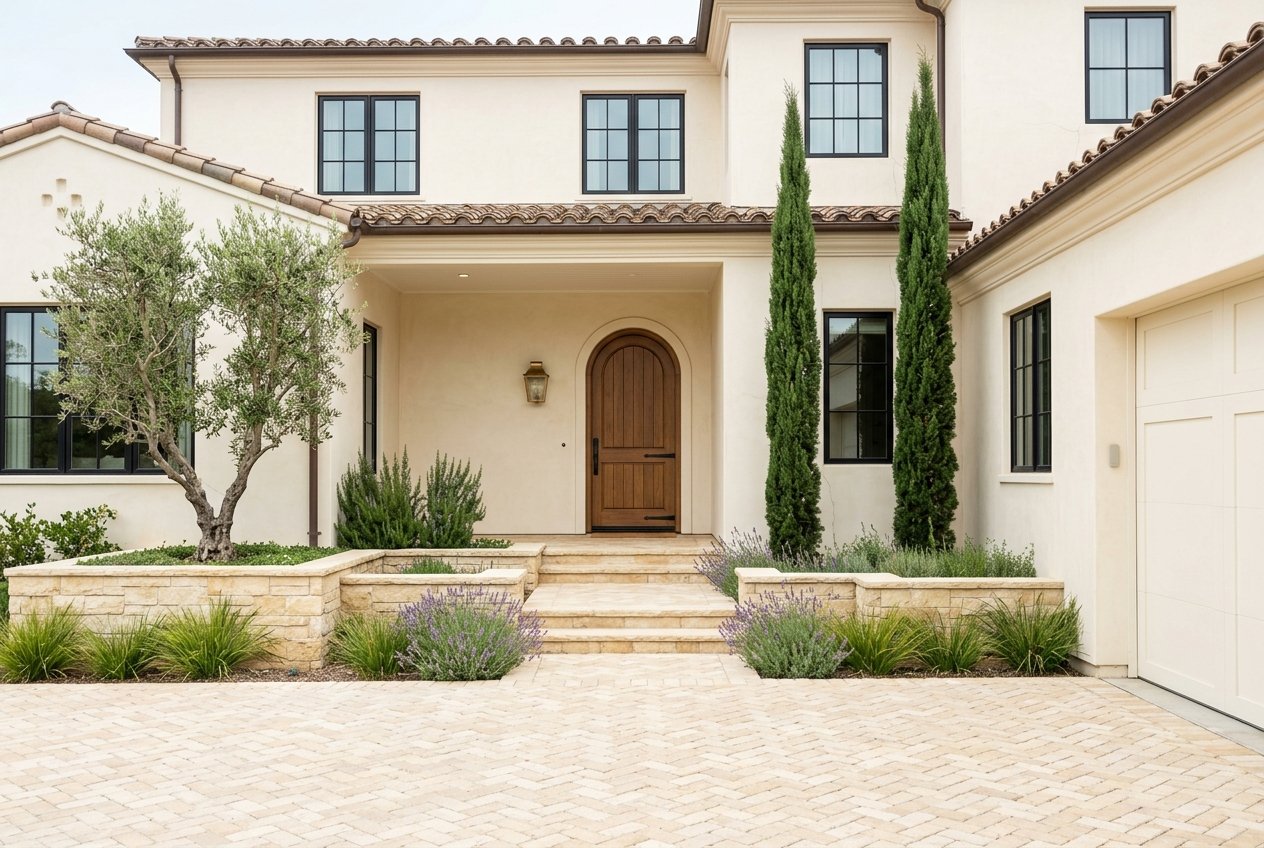
Lafayette offers a mix of housing near downtown and in more spacious, hillside settings. Closer to the Plaza and BART, you will see smaller lots, cottages, and some townhomes that support a walkable lifestyle. Along the trails and in pockets like Burton Valley, mid-century ranch homes and expanded residences line quiet streets with easy trail access. In areas like Reliez Valley and Happy Valley, you will find larger lots and custom homes with a more semi-rural feel.
Market measures vary by data provider, but a practical way to frame the city is with a median price band around the low two millions. Recent vendor snapshots place the median roughly in the 1.8 to 2.1 million range, depending on whether you look at sold prices, list prices, or an index. Because numbers shift month to month, it helps to check a current source when you are ready to act. Owner occupancy sits near 77 percent, which adds stability and a neighborhood feel across many streets. See Census QuickFacts for ownership rates and community profile data.
How to choose your fit
- Walk the school path. Visit the Lafayette School District and AUHSD sites to understand programs, calendars, and any boundary notes. Then tour campuses during public events to get a feel for your routine.
- Test your commute. Use the BART trip planner for your exact work destination and time of day. Try the route at least once during peak hours.
- Sample the trails. Do the Reservoir Lakeside loop on a weekday morning and a section of the Lafayette–Moraga Trail on a weekend. Check EBMUD’s page before you go.
- Time a visit with an event. Walk downtown during the Taste of Lafayette or the Art & Wine Festival to see how the area feels at its liveliest. Start with the Chamber’s event page for dates.
- Match your home style. Decide if you want walkability near the Plaza, trail access in the flats, or a larger-lot setting in hillside pockets. Tour across micro-neighborhoods to compare light, lot size, and road access.
If you are drawn to top-tier public schools, built-in outdoor time, and a simple downtown, Lafayette offers a daily rhythm that is easy to love. With clear priorities and a local plan, you can find a home and routine that fits.
Ready to explore neighborhoods and time the market with confidence? Connect with Emiliana Flemate Baker for concierge guidance, from school and commute fit to a curated home search and a negotiation strategy that protects your goals.
FAQs
Are Lafayette public schools strong?
- Lafayette School District (TK–8) and the Acalanes Union High School District post strong outcomes and active community support; review programs and SARCs at LAFSD and AUHSD.
How long are Lafayette’s most-used trails?
- The Lafayette Reservoir Lakeside Trail is about 2.7 miles paved, the Rim Trail is about 4.7 miles, and the Lafayette–Moraga Regional Trail spans roughly 8 miles; see EBMUD and EBRPD for maps and updates.
What is a typical BART commute from Lafayette to San Francisco?
- Typical trip planners show about 30 to 35 minutes to Embarcadero; confirm exact trains and timing with the BART schedules and trip planner.
How expensive is housing in Lafayette?
- Market trackers commonly place the citywide median around 1.8 to 2.1 million, depending on whether you reference list prices, sold prices, or an index; check a current data source when you are ready to buy or sell.
What is downtown Lafayette like and when are big events?
- Downtown is a compact main street around Lafayette Plaza with cafes, restaurants, and shops; signature events include the Taste of Lafayette and the Lafayette Art & Wine Festival—see the Chamber’s page and the festival site for dates.
Is Lafayette safe compared to similar cities?
- Public data sources generally show lower-to-moderate crime levels for a city of its size, with property crimes more common; see an FBI-derived overview on NeighborhoodScout and check local police updates for specifics.