Thinking about selling your Alamo home but not sure which updates will actually move the needle on price? You are not alone. In this market, buyers pay a premium for homes that feel current, clean, and low maintenance, yet it is easy to overspend on upgrades you will not recoup. This guide gives you a clear, Alamo‑specific plan for high‑impact improvements, realistic budget tiers, staging timing, and vendor coordination so you can list with confidence. Let’s dive in.
What Alamo buyers expect
Alamo’s residential market sits at the luxury edge of the Oakland–Hayward–Berkeley metro. Many homes are mid‑century to late‑20th‑century builds on larger lots, and buyers often prioritize condition, finish quality, outdoor spaces, privacy, and proximity to well‑regarded schools. To achieve top‑of‑market pricing, buyers typically expect move‑in ready presentation.
First impressions matter more than small luxury add‑ons. Curb appeal, modern kitchens and baths, quality flooring, and updated systems help justify premium pricing. Just as important, avoid improving past the highest nearby comparable sale. Use recent 3–6 month comps with your listing agent and, when needed, an appraiser to set a smart improvement ceiling.
Note: Cost ranges below are ballpark for Bay Area projects and vary by home size, scope, and contractor. Always get local bids and align choices with your agent’s comp strategy before starting work.
Renovations that pay off in Alamo
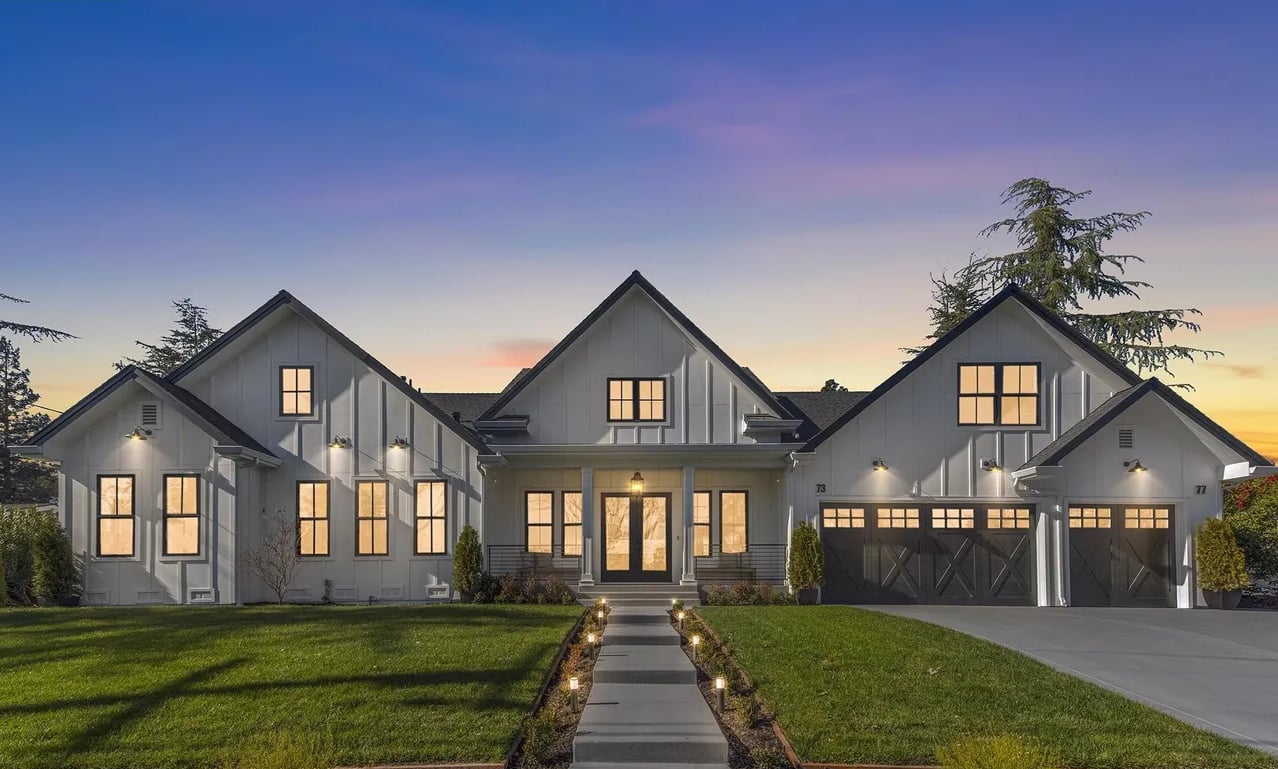
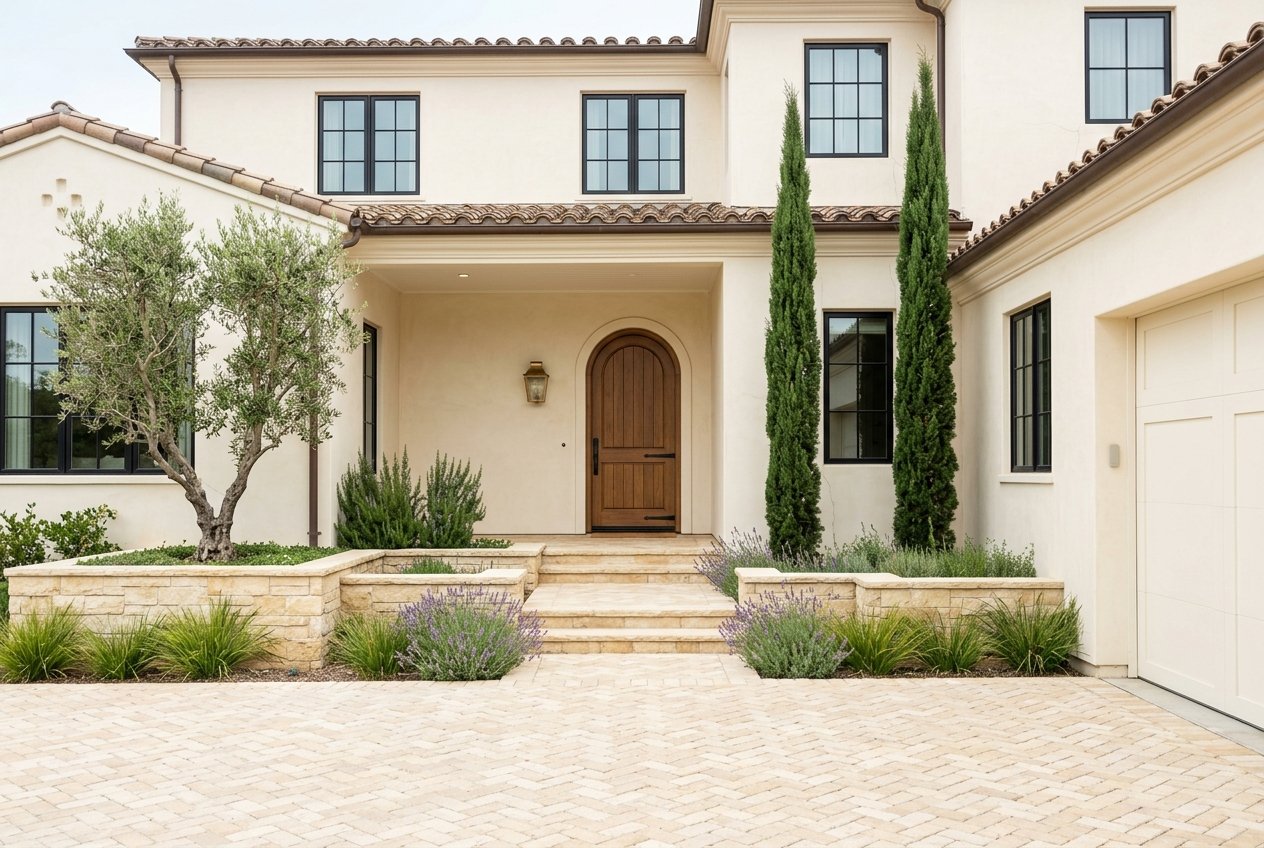
Curb appeal and exterior refresh
- What to do: Exterior paint or trim touchups, front door refinish or replacement, updated house numbers and lighting, power washing, driveway and entry repairs, and a clean landscaping refresh with mulch and pruning.
- Why it pays: First impressions drive showings and perceived value. A tidy, inviting exterior sets the tone online and in person.
- Cost intensity: Low to moderate, often about $2,000 to $15,000 depending on scope and size.
- ROI tip: Favor simple, drought‑smart landscaping over custom hardscape that may not return its cost.
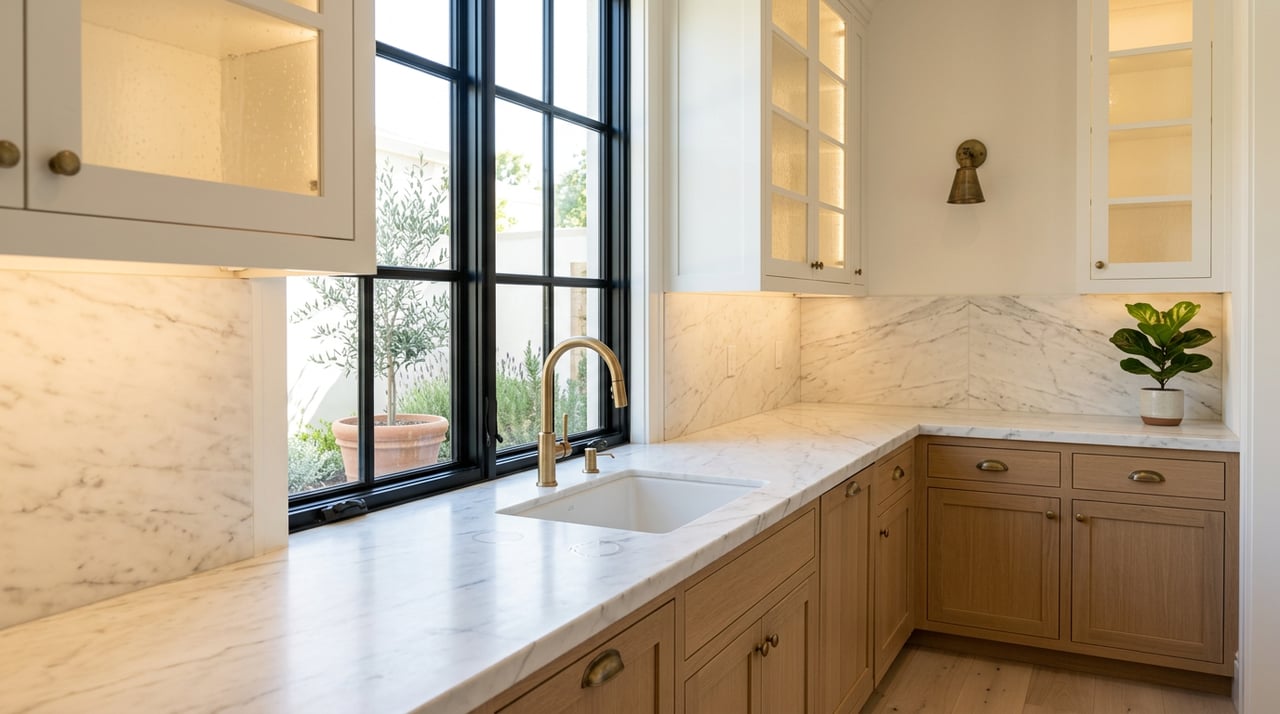
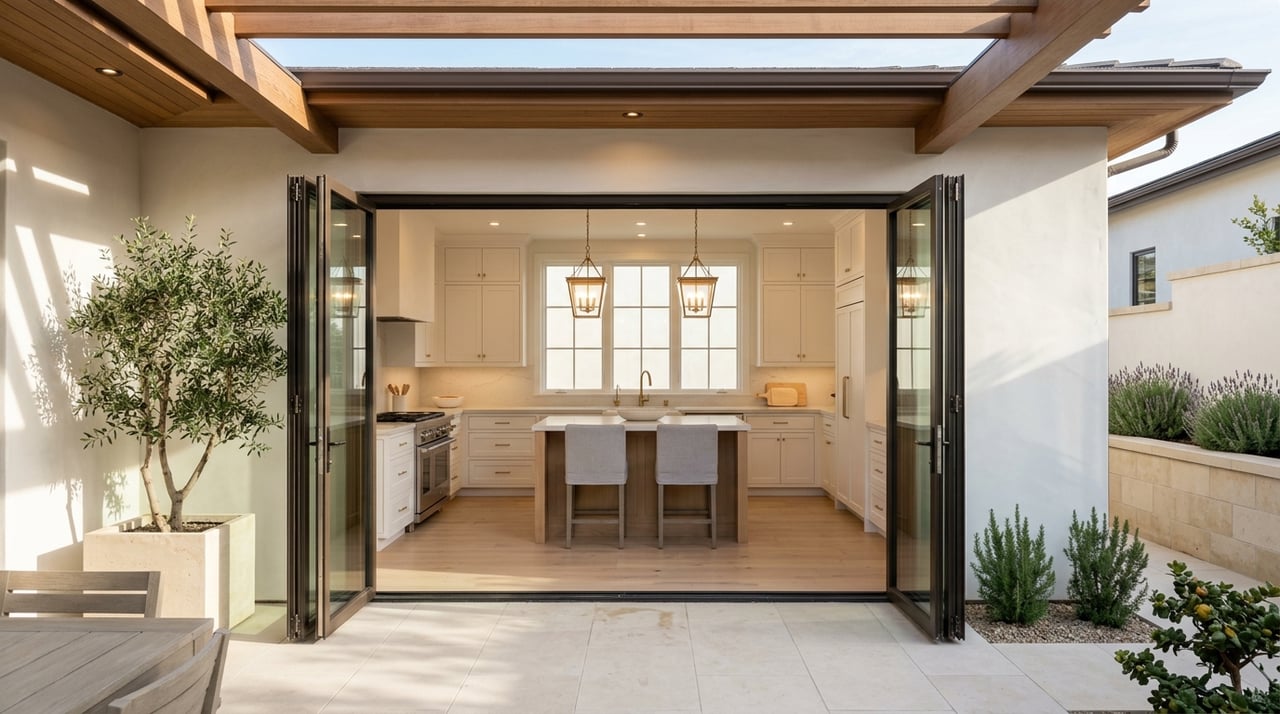
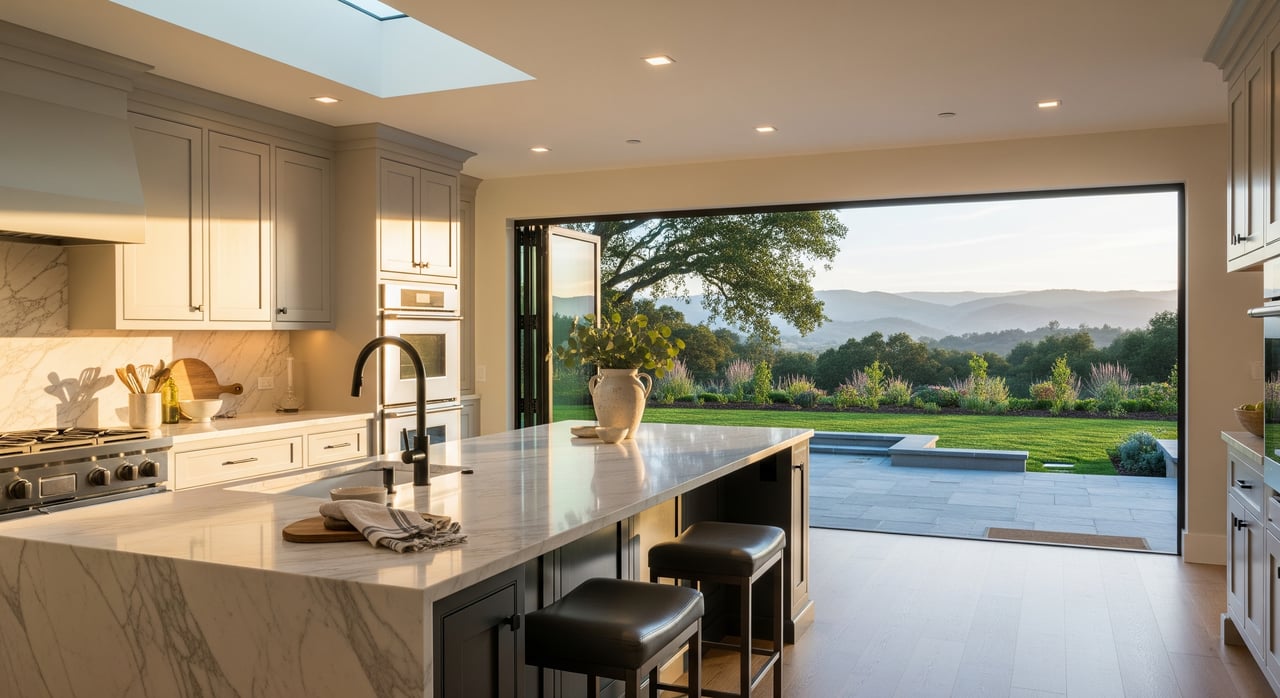
Kitchen tune‑ups, not full guts
- What to do: Cabinet repaint or reface, new hardware, refreshed countertops in granite or engineered stone, modern backsplash, new sink and faucet, updated lighting, and selective appliance upgrades to stainless if current units are dated.
- Why it pays: Kitchens sell homes. Mid‑range refreshes present as near‑new at a fraction of a full remodel.
- Cost intensity: Moderate, commonly about $10,000 to $50,000. Full remodels can escalate well beyond that in the Bay Area.
- ROI tip: Refreshes often recoup more than deep luxury builds unless comps clearly support top‑tier finishes.
Bathroom improvements by priority
- What to do: Start with the powder room and primary bath. Regrout tile, update mirrors and lighting, swap or refinish vanities, upgrade fixtures and hardware, and reglaze or replace the tub or shower doors if worn.
- Why it pays: Clean, bright baths carry outsized weight in buyer impressions.
- Cost intensity: Low to moderate, roughly $2,000 to $15,000 for cosmetic updates, more for larger primary bath projects.
- ROI tip: Target cosmetic upgrades first before considering full remodels.
Flooring refinements
- What to do: Refinish existing hardwood, replace worn carpet, or install neutral engineered hardwood or quality laminate in key living areas. Keep materials consistent across sightlines.
- Why it pays: Flooring is highly visible and makes rooms feel larger and cleaner when tones are cohesive.
- Cost intensity: Low‑moderate to moderate. For 2,000 to 3,000 square feet, costs can range from a few thousand to tens of thousands depending on material and scope.
- ROI tip: Avoid exotic or ultra‑custom flooring that overshoots neighborhood standards.
Lighting and fixtures
- What to do: Replace dated fixtures, add layered lighting like recessed cans in kitchens, use dining pendants that scale with the room, and ensure adequate exterior lighting. Modernize switches and outlets for a crisp look.
- Why it pays: Better lighting elevates photos and in‑person feel at a relatively low cost.
- Cost intensity: Low, typically about $1,000 to $10,000 depending on the number of fixtures and electrical needs.
- ROI tip: This is a high‑impact, budget‑friendly category to prioritize.
Interior paint
- What to do: Choose a neutral, updated palette like soft grays or warm beiges. Paint high‑traffic and photo‑critical areas first. Complete interior repaints for worn or multi‑color homes.
- Why it pays: Fresh paint makes a home read as clean and move‑in ready instantly.
- Cost intensity: Low to moderate and often one of the highest‑ROI cosmetic updates.
Systems and inspections
- What to do: Service HVAC, check the electrical panel for safety, confirm water heater age and function, address roof repairs, order pest clearance, and assess any visible foundation or sewer concerns.
- Why it pays: Buyers in premium markets are risk‑averse. Taking care of obvious system issues helps prevent price erosion in escrow.
- Cost intensity: Moderate to high based on repairs.
- ROI tip: These investments reduce concessions and renegotiations rather than adding a line‑item premium.
Staging, declutter, and light repairs
- What to do: Professional staging for the main living areas and primary suite, declutter closets and surfaces, complete minor repairs like caulk, cabinet alignment, and door hardware, then deep clean.
- Why it pays: Staging and presentation reduce days on market and support stronger offers in Alamo’s higher price tiers.
- Cost intensity: Low to moderate. Basic consults are a few hundred dollars, while full staging for a 3–4 bedroom home is typically several thousand dollars with monthly fees after setup.
- ROI tip: In Alamo, thoughtful staging is often the difference between good and great results.
Tiered budgets, scopes, and timelines
Tier A: Cosmetic, quick impact ($2k–$15k)
- Scope: Paint key rooms, refresh the front door, update dated light fixtures, minor landscaping, replace worn carpet in main areas, declutter and deep clean, plus a staging consult for photos.
- Timeline: About 1 to 2 weeks, subject to contractor scheduling.
- Goal: Maximize show‑readiness and curb appeal quickly to improve photos and first‑week traffic.
Tier B: Midrange refresh ($15k–$75k)
- Scope: Kitchen refresh with counters, backsplash, hardware, and selective appliances; cosmetic updates to 1–2 bathrooms; refinish hardwood floors; larger landscaping refresh; professional staging for main areas.
- Timeline: About 3 to 8 weeks, depending on lead times and permits where required.
- Goal: Elevate perceived quality to compete with higher comps without a full remodel.
Tier C: Targeted high value ($75k+)
- Scope: Full kitchen remodel if comps support it, multiple bathroom remodels, major system upgrades, and significant outdoor living enhancements.
- Timeline: About 8 to 16+ weeks including permit time and inspections.
- Goal: Reach top‑of‑neighborhood pricing only when nearby sales justify the spend.
Staging integration and timing
Bring a stager in early for paint color guidance, a declutter plan, and furniture layout suggestions. Staging install is most effective after repairs and cleaning are complete and just before photography. Aim for staging move‑in within 24 to 72 hours of final cleaning so the home shows its best from day one.
Virtual staging can help with online marketing for vacant homes, but it does not replace physical staging for showings. Confirm costs and monthly extensions with your stager upfront so the timeline aligns with your list date and expected days on market.
Permits, vendors, and risk management
Permits in unincorporated Alamo
Alamo falls under Contra Costa County for building permits and inspections. Cosmetic updates such as interior paint, minor landscaping, and cabinet refinishing typically do not require permits. Structural, electrical, plumbing, HVAC, and some exterior alterations usually do. If your home has CC&Rs or a homeowner association, check for any rules that may apply. California law requires disclosure of known material facts, including unpermitted work, which can affect negotiations.
Vendor selection and coordination
Use your listing agent’s vetted local contractors who know Bay Area timelines and county processes. For major work, obtain multiple written bids that specify materials, scope, permit responsibilities, timelines, and how change orders are handled. Build in a 10 to 20 percent contingency for both time and budget to accommodate surprises.
Establish a single point of contact to coordinate vendors, staging, and the listing timeline. Tie payments to milestones, keep receipts and warranties, and request lien releases when appropriate. Clear communication keeps the project on schedule and aligned with your pricing strategy.
A quick decision checklist
- Does the update move the home closer to top nearby comps?
- Will it remove buyer objections or risk of escrow credits later?
- Is the cost reasonable relative to the likely price bump or market time saved?
- Do permits or inspections affect your launch timeline?
- Can staging and photography showcase the result right away?
Key risks and how to mitigate them
- Over‑improving: Set an upgrade ceiling using recent neighborhood comps and discuss with your agent and, if needed, an appraiser.
- Permit gaps: Secure permits when required rather than risking issues in escrow.
- Market timing: Favor high‑impact, shorter‑duration projects if you need a faster sale.
- Contractor reliability: Vet references, confirm insurance, use written contracts, and set milestone‑based payments.
Your next steps
- Define your target list price and timeline with recent neighborhood comps.
- Choose a tiered plan that matches your goals and budget.
- Get local contractor bids and confirm permit needs with Contra Costa County.
- Sequence work so staging and photography follow immediately after completion.
- Keep documentation and warranties organized for buyers and escrow.
If you want a renovation‑savvy listing partner who will help you prioritize, coordinate, and market for maximum impact, we are here to help. Connect with Emiliana Flemate Baker to request your free Instant Valuation & Custom Marketing Plan.
FAQs
Which pre‑listing updates deliver the best ROI in Alamo?
- Interior paint, a mid‑range kitchen refresh, consistent flooring, updated lighting, and a curb appeal cleanup typically combine strong buyer appeal with cost control.
How much should I spend before listing my Alamo home?
- Set a renovation ceiling based on top nearby comps, then choose a tier: about $2k–$15k for cosmetic, $15k–$75k for midrange refreshes, and $75k+ for targeted high‑value projects when comps support them.
Do cosmetic updates need permits in unincorporated Alamo?
- Generally no for paint, minor landscaping, and similar cosmetic work; yes for structural, electrical, plumbing, HVAC, and some exterior changes. Confirm requirements with Contra Costa County before starting.
When is a full kitchen remodel justified before selling?
- Only when several nearby comps show premiums for that level of finish or when the existing kitchen is so dated it will materially limit buyer interest and extend time on market.
How does staging affect price and days on market in Alamo?
- In higher price tiers, professional staging improves presentation and lifestyle appeal, which often supports stronger offers and fewer days on market.