If you want Bay Area access without giving up open space, vineyards, and a more relaxed pace, Livermore often stands out right away. You may be looking for a place that feels established, scenic, and practical for daily life, not just a pretty weekend stop. Living in Livermore wine country can offer that mix of beauty, convenience, and variety in how and where you live. Let’s dive in.
Livermore has a true wine-country identity
Livermore is not borrowing wine-country branding. The city says it was founded in 1869, sits in Alameda County as the easternmost city in the Bay Area, and is recognized as California’s oldest wine region. The Livermore Valley also became an official American Viticultural Area in 1982, which reinforces how deeply wine is tied to the area’s identity.
That identity shows up in everyday life, not only in tourism. The region has more than 50 wineries, over 3,000 acres of vineyards, and a long history that reaches back to grape plantings in the 1840s and the founding of Wente and Concannon in 1883. In practical terms, you get a city where vineyards, tasting rooms, ranch land, and residential neighborhoods exist side by side.
The result is a lifestyle that feels calmer than many other parts of the East Bay. The City of Livermore points to its mild climate and location near the coastal range as part of what gives the area a less congested, more relaxed feel. If you are drawn to places that feel grounded and scenic, this is a big part of the appeal.
Daily life feels balanced
One of the biggest reasons people are drawn to Livermore wine country is balance. You can enjoy a setting shaped by vineyards and open land while still having access to downtown businesses, local services, and regional commuting routes. That combination makes Livermore feel like a real hometown, not a destination that empties out after the weekend.
The Chamber describes Livermore with a mix of vineyards, wineries, restaurants, and a historic downtown, all contributing to a relaxed pace. That matters if you want your lifestyle to feel easy and connected. You are not choosing between wine-country atmosphere and day-to-day function. In Livermore, many residents get both.
Housing options vary by area
Livermore offers more range than many buyers expect. City planning documents show a clear difference between the downtown core, newer infill neighborhoods, and the wine-country edge to the south. That split helps explain why two homes in Livermore can offer very different living experiences.
In and around more central or infill areas, you will find attached homes, townhomes, and condominiums tied to newer development patterns. Current city project pages include for-sale townhomes, for-sale condominiums, apartments, and pocket-park-style communities in the Isabel Neighborhood Specific Plan area. These options can appeal if you want lower-maintenance living and access to transit connections or newer amenities.
Farther out, especially toward South Livermore, the pattern shifts. The South Livermore Valley Specific Plan covers about 1,891 acres and is intended to guide development while conserving agricultural and natural resources. That planning framework helps preserve the wine-country setting many buyers are seeking.
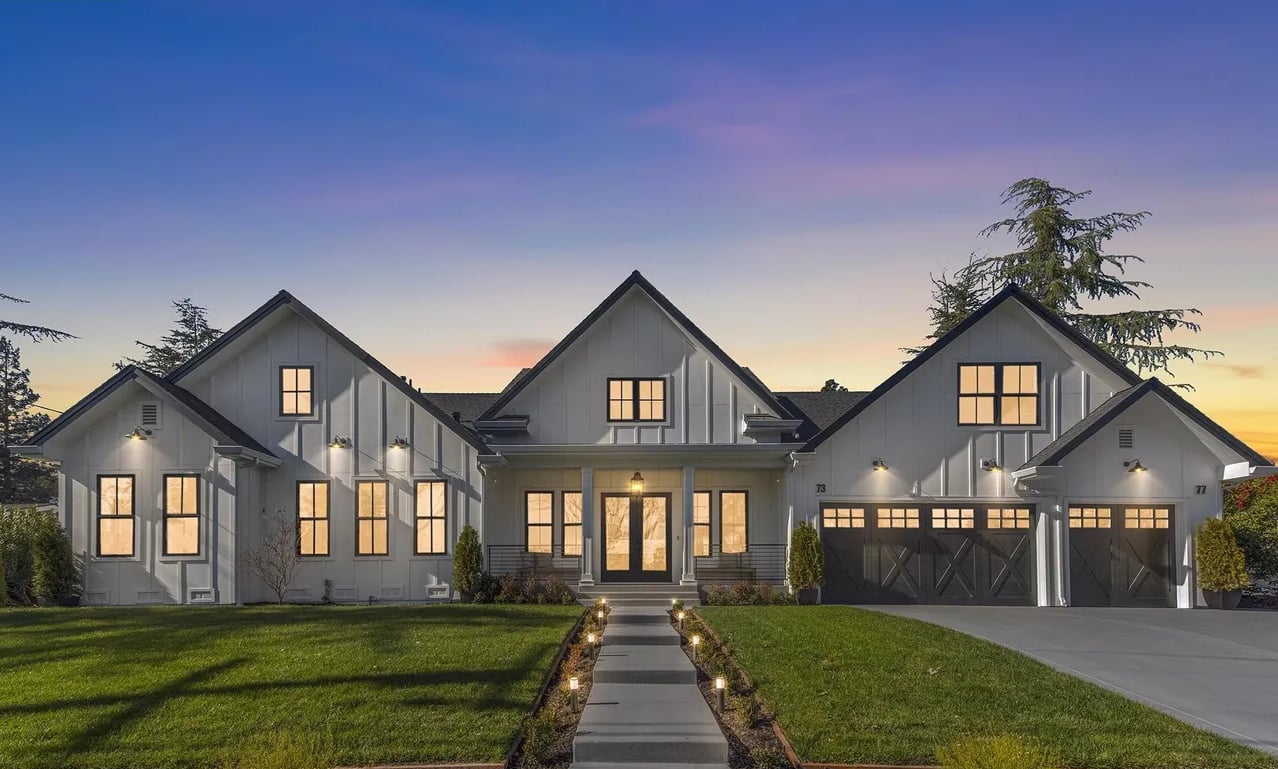
You also see larger detached-home opportunities in parts of the market. Garaventa Hills, for example, is planned as a 44-unit single-family subdivision on a 32-acre site with detached homes ranging from about 2,390 to 3,150 square feet. Lot sizes there range from 8,740 to 13,160 square feet, which gives a sense of the larger-home side of Livermore living.
Think of Livermore as two connected markets
For many buyers, it helps to think of Livermore as two related housing markets. One includes attached homes, condos, and townhomes in more central or infill settings. The other includes larger detached homes and estate-style properties in areas that lean more into the wine-country environment.
Neither option is better across the board. It really depends on how you want to live day to day. If you want a lock-and-leave property, newer construction, or easier access to bus routes and regional connections, central and infill housing may fit well.
If you picture larger lots, more separation from neighbors, and a stronger connection to vineyards or open-space views, the southern edge of Livermore may feel more aligned with your goals. This is where local guidance becomes especially valuable, because the lifestyle shift from one pocket to another can be meaningful even within the same city.
Pricing reflects that range
Livermore pricing spans a wide spectrum, which is another reason buyers benefit from understanding submarkets instead of looking at one citywide number alone. As of April 30, 2026, Zillow reported a typical home value of $1,125,610 in Livermore. Redfin reported a March 2026 median sale price of $1,102,000, with homes selling in about 10 days.
Those headline numbers only tell part of the story. Recent sold examples reported by Redfin included an attached home at $820,000, a townhome-style sale at $1.08 million, a detached four-bedroom home at $1.475 million, and a larger five-bedroom home at $1.975 million. That spread gives you a clearer picture of how much the home type and setting can affect price.
For buyers, this means you can often choose between different tradeoffs within Livermore itself. For sellers, it shows why pricing strategy should be tied to the property’s exact location, home style, and buyer appeal. In a market where homes have been moving quickly, strong positioning matters.
Outdoors are part of the routine
If you are hoping for a lifestyle where outdoor access is not an occasional bonus, Livermore delivers well here. The Livermore Area Recreation and Park District says the city has two main trails that traverse town: the South Livermore Valley Trail and the Arroyo Mocho Trail. Both are open year-round.
The City is also extending the South Livermore Valley Trail to connect the South Livermore Valley Wine Trail, Isabel Trail, and Arroyo Mocho Trail into a southern loop. That kind of network matters because it makes outdoor movement feel integrated into daily life. You are not always driving to recreation. In many cases, it is built into the way the city connects.
Beyond the trail system, you have major open-space destinations close by. Sycamore Grove Park in south Livermore includes 847 acres for hiking, biking, walking, jogging, and nature study. Del Valle Regional Park, about 10 miles south of Livermore, adds a five-mile lake, swimming, boating, windsurfing, camping, and thousands of surrounding acres.
If you prefer a more rugged setting, Brushy Peak Regional Preserve offers hiking, biking, and horseback riding around a 1,702-foot landmark. For many residents, this access to trails, parks, and open land is a defining part of living here. It supports a lifestyle that feels active without feeling remote.
Downtown adds energy and convenience
Wine-country living in Livermore does not mean you are isolated from activity. The city’s Downtown Specific Plan describes downtown as the community’s center and the heart of Livermore. It is planned as a pedestrian-friendly commercial and entertainment district supported by office and housing uses.
That gives Livermore an important layer of convenience. You can enjoy the visual and lifestyle appeal of vineyards and open space while still having a central district that supports dining, errands, and local events. For many buyers, that mix is what makes the city livable long term.
This is especially helpful if you want your weekends and evenings to feel flexible. You may spend one day on a trail or at a tasting room, then head downtown for dinner or community events without a major drive. That ease adds to the overall quality of life.
Commuting is practical, with options
Many buyers ask whether Livermore feels too far out for a Bay Area commute. The answer depends on where you work and how flexible your schedule is, but the local network gives residents more options than some expect. Daily life is often car-oriented, yet it is not car-only.
Wheels/LAVTA serves as the local bus backbone and connects riders to both BART and ACE. Route 11 runs between the Livermore Transit Center and the Vasco Road ACE station, while Route 20X links the Livermore Transit Center, the Vasco Road ACE station, Lawrence Livermore National Laboratory, and the Dublin/Pleasanton BART station.
For many Livermore residents, the nearest BART access points are Dublin/Pleasanton and West Dublin/Pleasanton. Drivers also benefit from the I-580 Express Lanes, which run eastbound from Hacienda Drive in Pleasanton to Greenville Road in Livermore and westbound from Greenville Road to I-680. In real life, many residents combine freeway driving with transit transfers depending on the day and destination.
Education and community resources
Livermore also offers a well-established set of education resources. The city describes itself as an education-oriented community, and its workforce page notes that the local district serves more than 13,000 students from TK through 12th grade across 18 school sites. That includes 9 elementary schools, 2 K-8 schools, 3 middle schools, 2 comprehensive high schools, and 3 alternative schools.
The same city page notes Las Positas College in Livermore on a 147-acre campus. For buyers who value access to public educational institutions as part of the local infrastructure, this is part of the broader picture of what supports daily life in the city. It adds another layer to Livermore’s identity beyond wine and scenery.
Who tends to love living here
Livermore wine country often appeals to people who want more breathing room without leaving the Bay Area orbit. You may be a buyer who wants a detached home and outdoor access, or someone who prefers a newer townhome with easier maintenance and regional connections. The city can support both lifestyles.
It can also be a strong fit if you want a home that feels tied to place. Livermore has history, a recognizable landscape, and a downtown core that gives structure to everyday life. Instead of feeling generic, it tends to feel distinct.
For relocation buyers, that distinction matters. If you are moving for work and trying to balance commute options, housing style, and lifestyle quality, Livermore gives you a different experience from denser inner-Bay markets. You trade some proximity for more space, scenery, and a more laid-back day-to-day rhythm.
Why local strategy matters here
Because Livermore includes several lifestyle patterns within one city, buying or selling here works best with a neighborhood-specific approach. A condo or townhome near infill development will attract a different buyer than a larger detached property closer to the wine-country edge. The pricing, marketing, and decision factors are not exactly the same.
That is where strong local guidance can make a real difference. If you are buying, it helps to understand how commute patterns, housing types, and outdoor access vary from one area to another. If you are selling, it is important to position your home around the lifestyle your location actually offers.
Whether you are relocating, searching for a wine-country setting, or preparing to sell a Livermore property, the details matter. If you want a polished, concierge-level approach backed by Tri-Valley market insight, connect with Emiliana Flemate Baker for tailored guidance.
FAQs
What is living in Livermore wine country really like?
- Living in Livermore wine country often means having access to vineyards, tasting rooms, trails, open space, and a historic downtown, all within a city that still supports day-to-day convenience and regional commuting.
What types of homes are common in Livermore?
- Livermore includes a mix of condominiums, townhomes, apartments, detached single-family homes, and larger properties, with more central areas tending toward attached housing and southern wine-country areas offering more detached-home settings.
What is the typical home price in Livermore?
- As of April 30, 2026, Zillow reported a typical home value of $1,125,610 in Livermore, while Redfin reported a March 2026 median sale price of $1,102,000.
How fast are homes selling in Livermore?
- Redfin reported that Livermore homes were selling in about 10 days in March 2026, which suggests a relatively fast-moving market.
What outdoor amenities are available in Livermore?
- Livermore offers year-round access to the South Livermore Valley Trail and Arroyo Mocho Trail, plus larger destinations like Sycamore Grove Park, Del Valle Regional Park, and Brushy Peak Regional Preserve.
Is Livermore a good option for Bay Area commuters?
- Livermore is often practical for commuters who use a mix of driving and transit, with Wheels bus connections to ACE and BART, plus access to the I-580 Express Lanes and nearby BART stations in Dublin/Pleasanton and West Dublin/Pleasanton.
What makes Livermore different from other East Bay cities?
- Livermore stands out for its established wine-country identity, long vineyard history, mild climate, outdoor access, and combination of small-town feel with Bay Area connectivity.