Trying to decide whether to buy a brand-new luxury home or remodel an older one in the Tri‑Valley? You are not alone. Many buyers want the convenience and efficiency of new construction, but others fall in love with mature neighborhoods and larger lots in places like Danville and San Ramon. In this guide, you will get a clear, local framework that compares cost, timing, permits, design flexibility, financing, and resale so you can move forward with confidence. Let’s dive in.
Tri‑Valley luxury market context
Recent coverage shows the Tri‑Valley has cooled from pandemic peaks, and trends vary by city and neighborhood. That makes it essential to compare at the neighborhood level rather than relying on broad city medians. You will also see different price stories between established areas with limited new supply and master‑planned communities with ongoing construction. For a high‑level view of the market shift, see this local overview of cooling trends in the Tri‑Valley region from the San Francisco Chronicle reporting on market changes.
Two realities shape your decision:
- New construction is more available in Dublin and select San Ramon areas, with predictable build quality and modern features.
- Danville’s infill luxury is scarce, which places a premium on location, lot size, and character in established neighborhoods.
Option 1: Buy new construction
What “new” buys you
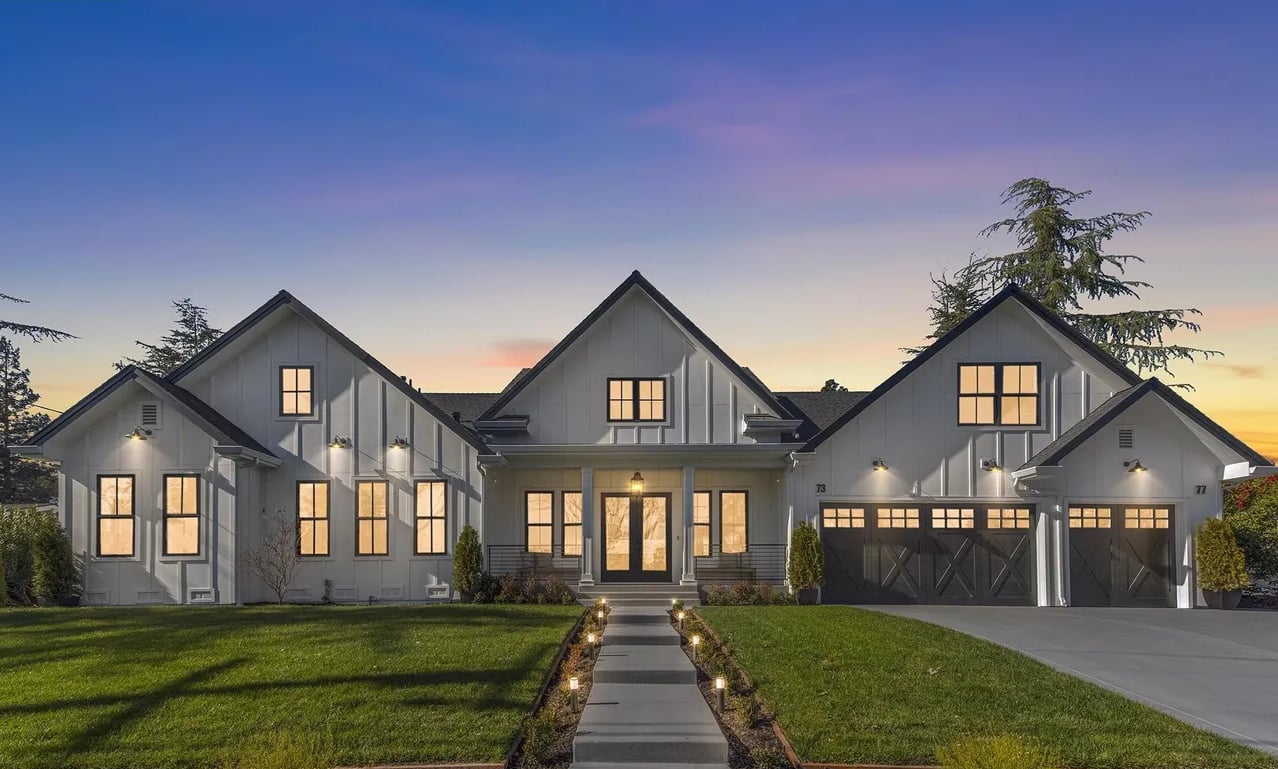
New homes deliver modern layouts, energy‑code compliance, builder warranties, and integrated systems like EV pre‑wiring and smart home features. Many buyers value the turnkey factor and the predictability of new‑community comparables when it comes time to appraise and resell. In Dublin, for example, communities such as Francis Ranch by Trumark Homes showcase the range of floor plans and price bands you can expect in a master‑planned setting.
Price expectations and upgrades
Builder pricing typically starts above the low‑$1M band for smaller products and can exceed $2M to $4M for larger detached luxury plans in premium pockets. Expect to allocate a budget for lot premiums and design‑center upgrades if you want top‑tier finishes. New homes often command a convenience premium, which can be worth it if you want minimal near‑term maintenance.
Timelines for new builds
A typical new single‑family build takes about 8 to 12 months from authorization to completion, with custom or luxury builds often running 12 to 18 months. Production homes tend to be faster, and quick move‑in opportunities can shorten your timeline. Review national averages for context in this summary of how long it takes to build a house.
Option 2: Buy and remodel an older luxury home
Why remodel can win in Danville or San Ramon
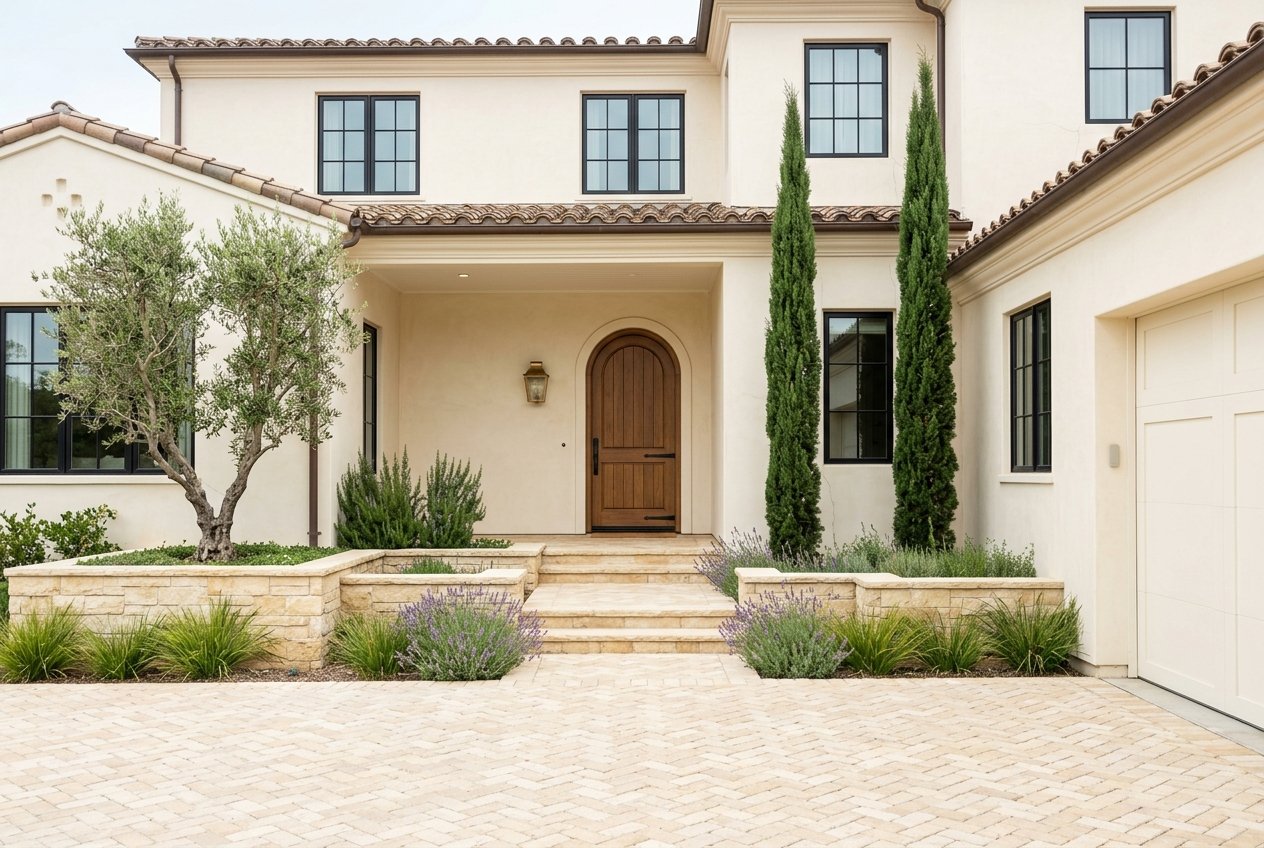
If you value lot size, privacy, mature street trees, and proximity to amenities, remodeling can give you the best of both worlds: a prime location paired with interiors tailored to your lifestyle. It can also make sense if you want a specific architectural style or if you are targeting a small luxury enclave where new supply is rare. The tradeoff is that fully modernizing older systems and structures can reveal hidden issues and extend timelines.
Realistic remodel costs in the Bay Area
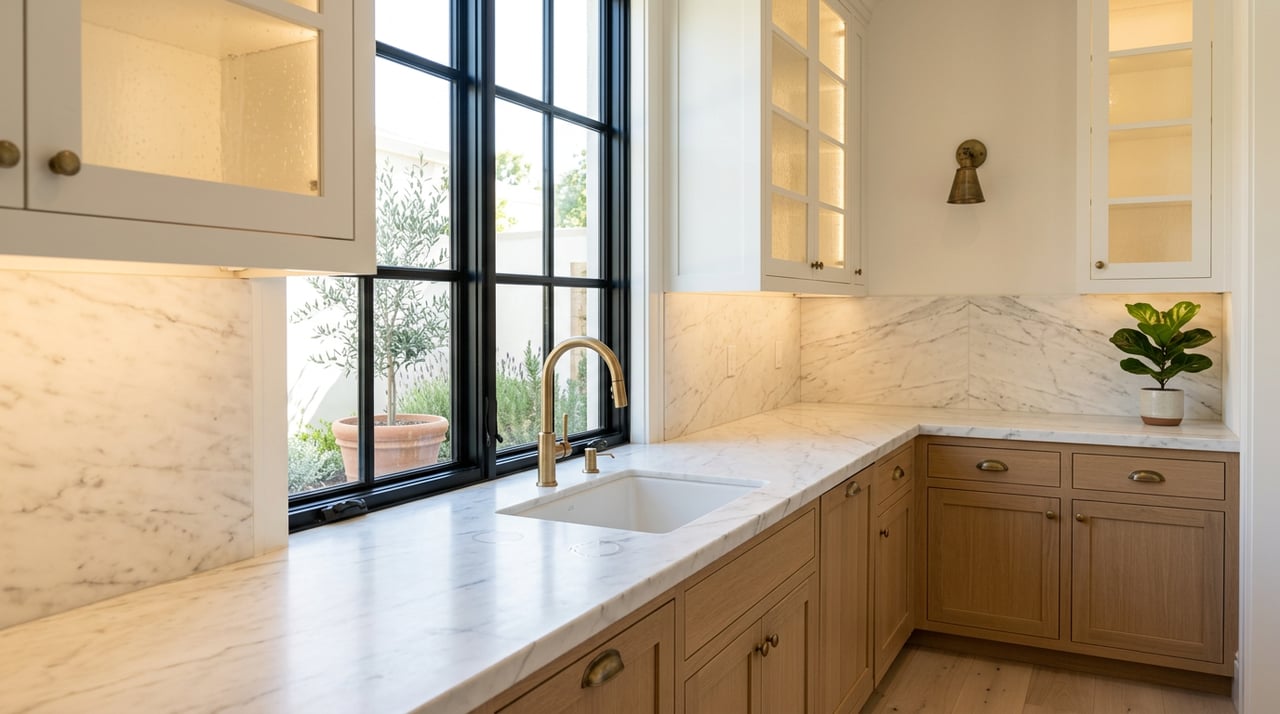
Luxury‑level Bay Area remodels often range from about $275 to $600+ per sq ft, depending on scope and finish level. Kitchens can span roughly $50k to $200k+ and bathrooms about $25k to $90k+, while additions and ADUs may run $350 to $800+ per sq ft depending on complexity. Plan for design and soft costs of about 10 to 20 percent of construction for architecture, engineering, permits, and project management. These ranges are summarized in this regional look at Bay Area remodel cost per square foot.
Remodel timelines and what to expect
For substantial additions or whole‑house work, plan 4 to 12 weeks for design and permits, then 4 to 9+ months for construction depending on scope. Discovery items, like foundation or electrical upgrades, can extend schedules. Review a Bay Area‑focused summary of construction costs and timelines to sense where your project might land.
Permits and city process: Dublin, Danville, San Ramon
Dublin highlights
Dublin offers clear front‑end guidance and notes that first plan reviews for additions are often about 10 business days, with similar timelines for resubmittals. The city also runs an ADU Accelerator program that can help if an accessory unit is part of your strategy. Start with the City’s Building & Safety FAQ and resources to scope requirements and timelines.
Danville overview
Danville publishes a stepwise permit process with intake typically within a few business days. Plan review windows vary by scope and staffing. Small residential projects may be eligible for streamlined online handling. You can find the Town’s current steps and contact details through the Danville Permit Center FAQ.
San Ramon overview
San Ramon provides online submittal, fee estimation, and inspection scheduling through its Building Division, with review timelines shaped by project complexity and staff load. Plan for iterative plan‑check cycles if you are taking on a larger remodel or addition.
Design flexibility, neighborhood maturity, and lifestyle
New construction: convenience and consistency
New builds deliver consistent quality, modern floor plans, and energy features out of the box. In a master‑planned neighborhood, you also gain community amenities and steady comparable sales. This can simplify valuation and make the ownership experience feel easy from day one. Communities like Francis Ranch in Dublin illustrate how builders package these benefits.
Remodel: character, privacy, and lot value
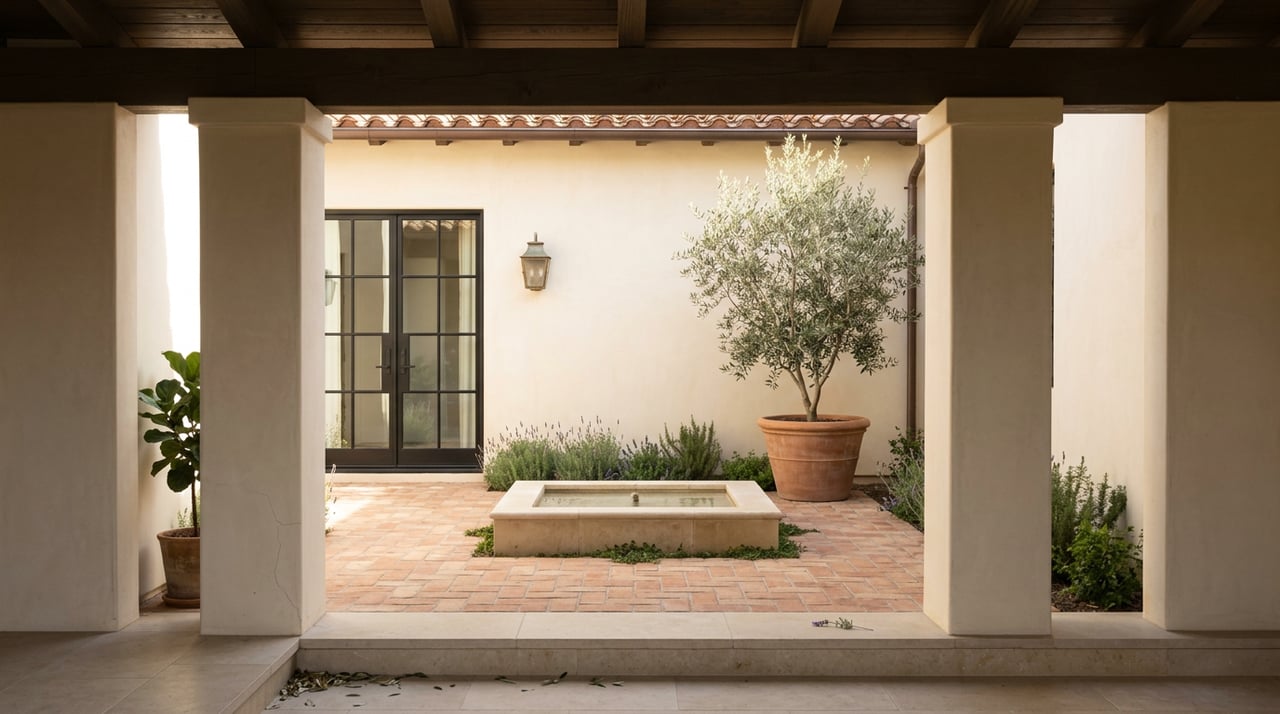
Remodeling an older luxury home can unlock larger lots, yard privacy, and proximity to established amenities. You keep the setting you love and curate interiors to match your taste. Just budget thoughtfully for systems, seismic, and utility updates to meet modern expectations, especially if you want a like‑new experience inside an older envelope.
Resale, ROI, and taxes
What upgrades tend to pay back
Industry reporting consistently shows smaller, high‑impact projects often recoup the highest percentage of cost. Examples include curb‑appeal updates, a midrange kitchen refresh, midrange bath updates, and hardwood refinishing. The Bay Area often outperforms national medians on percentage recoup due to high prices. For a clear Bay Area view, see this analysis of renovation ROI and Cost‑vs‑Value data. If you plan to sell within a few years, prioritize high‑impact, midrange scopes over ultra‑custom upgrades.
Property tax implications in California
Under Prop 13, your base value is protected, but new construction or additions that add square footage are typically assessed at current market value. That means you can expect supplemental tax bills for additions or ADUs, while cosmetic updates that do not add square footage often do not trigger reassessment. Learn how this works in practice in this overview of California property tax increases for improvements.
Financing your path
Renovation financing options
You can combine purchase and renovation into one loan with programs like Fannie Mae’s HomeStyle Renovation. These products come with timelines and lender approval requirements, so it is important to compare them to a HELOC or construction‑to‑perm loan based on your rate, fees, and cash needs. Explore the basics of HomeStyle Renovation financing to understand how funds are released and what completion rules apply.
Cash, HELOC, or construction‑to‑perm
Many luxury buyers use a mix of cash and a HELOC to keep flexibility. If your scope is large or ground‑up, a construction‑to‑perm loan can streamline financing from build into permanent mortgage. Weigh total interest cost, draw schedules, and how quickly you want to lock a long‑term rate.
Cost and timeline realities: a quick comparison
When buying new may win
- You want a move‑in within 6 months and can target a quick move‑in home.
- You prioritize modern layouts, energy efficiency, and minimal near‑term maintenance.
- You value predictable build schedules and builder warranties over custom choices.
When remodeling may win
- You want a premium lot, privacy, and proximity to established amenities in Danville or San Ramon.
- You plan to tailor interiors and outdoor living to your lifestyle.
- You can tolerate 9 to 12+ months of planning and construction for a whole‑home transformation.
A clear decision framework
Use this checklist to compare total cost, timing, and lifestyle fit before you choose a path.
- Define non‑negotiables vs. nice‑to‑haves
- List layout needs, number of suites, ADU, and indoor‑outdoor goals. If layout and site are non‑negotiable, a remodel on the right lot can be the smarter route.
- Compare real comps, not city averages
- Pull neighborhood‑level comps for both new construction and refreshed luxury homes. Focus on your target micro‑area rather than citywide medians.
- Get early feasibility and cost ranges
- Ask a local architect and contractor for a conceptual scope and allowance for unknowns. As a rule of thumb, budget a 15 to 25 percent contingency on major remodels based on Bay Area norms summarized in this regional cost guide.
- Run a true total‑cost comparison
- For remodel: purchase price + closing + renovation + carrying costs + likely tax impact. For new: new‑home price + closing + upgrades. Include potential supplemental taxes if adding square footage, as outlined in this California tax explainer.
- Set your timeline tolerance
- If you must move inside 6 months, target new‑home quick move‑ins or a light cosmetic scope. Custom builds and whole‑house remodels often exceed 9 to 12 months. For context, review average build timelines and Bay Area remodel schedules.
- Check city permits and HOA rules early
- Dublin lists plan‑check targets and ADU resources in its Building & Safety FAQ. Danville posts current steps in its Permit Center FAQ. Ask for permit‑cost estimates and expected plan‑check cycles.
- Choose a financing path that fits scope
- Compare a renovation mortgage like HomeStyle Renovation to a HELOC or construction‑to‑perm loan. Consider interest rate, draw control, and completion requirements.
- Plan your resale story upfront
- If you may sell within 3 to 5 years, favor midrange, high‑impact projects highlighted in this ROI analysis. If this is your long‑term home, lean into the improvements that deliver daily enjoyment.
The bottom line
If you want speed, predictability, and modern features, buying new in a well‑located master‑planned community can be a great fit. If you are targeting a premium lot or a favorite neighborhood in Danville or San Ramon, buying an older luxury home and remodeling can unlock a one‑of‑a‑kind result that matches your lifestyle. The right choice is the one that balances your total cost to goal, your move‑in timeline, and the neighborhood factors that matter most to you.
Ready to compare real homes and run a tailored cost‑to‑goal plan for the Tri‑Valley? Reach out to Emiliana Flemate Baker for a private consultation and a step‑by‑step plan that aligns with your timeline and budget.
FAQs
What should I budget to remodel a luxury home in the Tri‑Valley?
- For major work, plan roughly $275 to $600+ per sq ft, plus 10 to 20 percent for design and soft costs, and a 15 to 25 percent contingency for unknowns.
How long does a new home build usually take in the Tri‑Valley?
- Production builds often complete in about 8 to 12 months from authorization, while custom or luxury builds can run 12 to 18+ months.
How fast can I get permits for a remodel in Dublin or Danville?
- Dublin lists first plan reviews for additions at about 10 business days, and Danville offers defined plan‑check steps; timelines vary by scope and staffing.
Do additions or ADUs increase my property taxes in California?
- Yes. New construction that adds square footage is typically assessed at current value and added to your base, which can result in supplemental tax bills.
Which projects usually deliver the best ROI before resale?
- Smaller, high‑impact updates like curb appeal, a minor kitchen refresh, and midrange bath improvements often recover a higher percentage of cost than upscale, bespoke upgrades.
When is buying new better than remodeling in the Tri‑Valley?
- Choose new if you want speed, modern layouts, builder warranties, and minimal near‑term maintenance; choose remodel if lot size, location, and customization matter most.