If you want a Bay Area home base that feels calm and established without giving up access to Silicon Valley, Saratoga stands out fast. You get a small residential city, a historic village core, foothill scenery, and a lifestyle that feels more rooted in home and community than in office towers. For buyers comparing South Bay and East Bay options, Saratoga can be an especially compelling fit. Let’s take a closer look.
Why Saratoga Feels Different
Saratoga is a residential city of about 31,000 people with a distinct identity shaped by its historic village, foothill setting, and preservation of a semi-rural feel. According to the City of Saratoga community overview, local life is also defined by places like Villa Montalvo, Hakone Gardens, 14 parks, and numerous trails.
That combination matters when you are choosing where to live. In Saratoga, the appeal is not just about being near major job centers. It is also about how the city feels day to day, with lower density, more residential streets, and a strong sense of place.
Saratoga Village Anchors Daily Life
The heart of Saratoga is the Village on Big Basin Way. This is the city’s main social and commercial center, with dining, shops, galleries, coffee houses, parks, and access to trails.
For many buyers, this is where Saratoga’s charm becomes tangible. You may not find a large urban-style downtown here, but you do get a compact, recognizable center where daily errands, casual meals, and weekend outings can feel more personal and local.
The village also reflects Saratoga’s history. The city’s heritage materials describe the area as part of an older settlement pattern that continued to shape the city even as suburban residential growth expanded around it.
Walkability in Saratoga: What to Expect
One common question is whether Saratoga is truly walkable. The most accurate answer is that walkability is concentrated in the Village, while much of the city remains low-density and car-oriented.
That means your day-to-day experience depends a lot on where you live. If you are near the Village, you may enjoy easier access to restaurants, coffee spots, and local amenities. In other parts of Saratoga, daily life is still more likely to center on driving, especially given the city’s residential layout and foothill geography.
Silicon Valley Access Without an Urban Feel
Saratoga appeals to many buyers because it offers access to the West Valley and South Bay while maintaining a quieter residential rhythm. The city’s land-use and transportation profile notes that Saratoga is served by State Highway 85, which connects to I-280 and U.S. 101, and describes Saratoga as a bedroom community where most residents work outside the city. You can review that context in the city’s 2024 land value appraisal report.
In practical terms, Saratoga often fits buyers who want a home environment that feels removed from the intensity of major job corridors, yet still connected to them. The result is a lifestyle that can feel more residential, more school-centered, and less dominated by office or retail activity.
Schools Are a Major Part of the Story
For many relocating buyers, Saratoga’s school districts are a key reason the city stays on the shortlist. The Saratoga Union School District serves the city’s elementary and middle grades, while the Los Gatos-Saratoga Union High School District serves Saratoga High School and Los Gatos High School.
The high school district notes that it is often named among the top public school districts in California. For buyers who place strong value on established public school systems, that reputation can be an important factor in the decision-making process.
As always, if schools are central to your move, it helps to confirm attendance boundaries, enrollment details, and current district information directly with the district before you buy.
Housing in Saratoga Is About Setting and Character
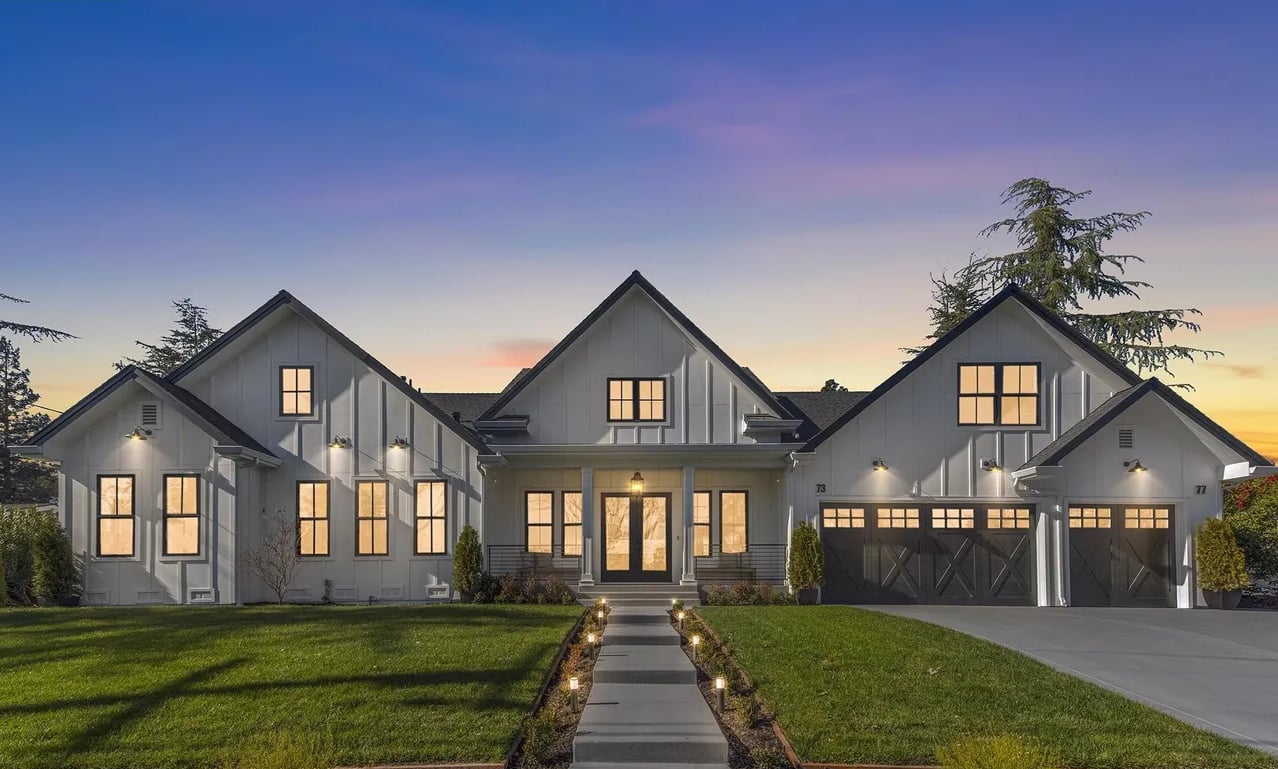
Saratoga is a low-density housing market where the physical experience of a property often matters as much as the address itself. The city’s housing page highlights ADUs, SB 9 lot splits, duplex and triplex conversions in limited districts, and lot consolidation, but the broader pattern remains dominated by detached single-family residential land.
Downtown also has very limited room for new development. That matters because constrained supply and controlled growth tend to reinforce Saratoga’s established residential character.
The city’s appraisal report describes Saratoga as a controlled-growth community with relatively little commercial acreage, and it notes that residential development shifted from the valley floor into the foothills as land became scarcer. For buyers, that often translates into a market where lot size, privacy, hillside setting, and overall home character carry real weight.
The Wine and Cultural Layer Adds Depth
Saratoga offers more than a quiet residential setting. It also has a cultural and wine-related identity that gives weekends and evenings a different texture than you might expect in a small Silicon Valley city.
The city’s heritage inventory ties the foothills to an early winegrowing district, and The Mountain Winery continues that legacy with wine tasting and an outdoor concert venue above town. That adds a destination element to Saratoga living without changing its overall residential feel.
For buyers who want more than just a convenient address, this can be a meaningful differentiator. You get a city that feels peaceful at home, but still offers memorable local experiences close by.
Saratoga vs. Tri-Valley Towns
Many Bay Area buyers weigh Saratoga against East Bay communities, especially if they are considering lifestyle first and commute second. Saratoga is not a Tri-Valley town, but it often enters the same conversation because buyers are comparing atmosphere, amenities, and overall day-to-day fit.
Here is a simple look at how Saratoga compares with several well-known Tri-Valley options.
| Area | General Feel | What Stands Out |
|---|---|---|
| Saratoga | Quiet, established, low-density | Historic village, foothill scenery, South Bay access |
| Danville | Polished small-town atmosphere | Historic district, boutiques, dining, events |
| Pleasanton | More active and connected | Historic downtown, broad business base, BART and ACE access |
| Livermore | Wine-country energy | Downtown, wineries, trails, music, festivals |
| San Ramon | More contemporary and master-planned | City Center, mixed-use convenience, large-scale suburban layout |
Saratoga Compared With Danville
If you are coming from the Tri-Valley mindset, Danville is probably the closest tonal match to Saratoga. The town highlights a quaint historic district, specialty boutiques, local dining, year-round events, and a farmers market through its Live Locally page.
Both places appeal to buyers who value a refined, community-scaled downtown feel. Saratoga, however, leans more toward a South Bay foothill setting and a quieter village-centered rhythm.
Saratoga Compared With Pleasanton
Pleasanton tends to offer a broader retail and transit footprint. The city describes Downtown Pleasanton as pedestrian-friendly and notes a large business base along with BART and ACE rail access in its economic profile.
Compared with Saratoga, Pleasanton may feel busier and more commercially expansive. Saratoga is often the better fit if you want a more secluded residential atmosphere and do not need the same level of transit-oriented convenience.
Saratoga Compared With Livermore
Livermore has a more outward-facing wine-country identity. The city highlights its historic downtown, outdoor music, trails, parks, and wineries located within minutes of downtown on its community attractions page.
Saratoga also has wine and cultural roots, but they show up differently. Rather than feeling like a broader wine-country destination, Saratoga’s wine and arts layer feels more tucked into its foothill setting and integrated into a quieter residential lifestyle.
Saratoga Compared With San Ramon
San Ramon is the clearest contrast. The city describes City Center Bishop Ranch as a major retail, dining, and entertainment destination, which reflects a more contemporary and mixed-use suburban model.
If you prefer newer, master-planned convenience and a larger-scale suburban environment, San Ramon may align better. If you want a more traditional residential setting with village character and less of a planned mixed-use feel, Saratoga is likely the stronger fit.
Who Saratoga Often Suits Best
Saratoga tends to resonate with buyers who want a quieter South Bay base with a strong residential identity. It can be especially appealing if you are looking for a blend of village charm, foothill scenery, and access to Silicon Valley employment centers.
It may be a strong fit if you are looking for:
- A lower-density environment
- A historic village rather than a large downtown
- Established residential neighborhoods
- Access to parks, trails, and cultural destinations
- A location connected to the West Valley and South Bay freeway network
- A market where home setting, privacy, and character matter
For executive relocations and move-up buyers, Saratoga often offers a compelling alternative to communities that feel more retail-heavy or more master-planned.
What to Keep in Mind Before You Buy
Saratoga has a very specific lifestyle profile, and that is part of its appeal. But it is still smart to evaluate how that profile fits your actual daily routine.
Think about how often you want to walk to amenities versus drive. Consider whether you want a compact village center or a broader retail environment. And if commute access, school districts, or lot characteristics are central to your move, compare those factors directly rather than relying on general impressions.
If you are weighing Saratoga against Danville, Pleasanton, Livermore, or San Ramon, the best choice often comes down to what kind of daily rhythm feels right for you. If you want help comparing those lifestyle differences in a practical way, Emiliana Flemate Baker offers concierge-level guidance for Bay Area buyers, sellers, and relocation clients.
FAQs
Is Saratoga, California walkable for everyday living?
- Saratoga has a walkable Village area with dining, shops, coffee houses, parks, and trails, but much of the city remains low-density and car-dependent.
How does Saratoga compare with Danville for lifestyle?
- Saratoga is similar to Danville in its refined, small-town feel, but Saratoga is more tied to the South Bay foothills and Silicon Valley access.
Why do buyers relocating for Silicon Valley jobs consider Saratoga?
- Buyers often look at Saratoga for its residential character, village setting, school reputation, limited land supply, and access to Highway 85, I-280, and U.S. 101.
What kind of housing feel should you expect in Saratoga?
- Saratoga is largely defined by detached single-family homes, controlled growth, limited downtown development, and strong buyer focus on lot size, privacy, setting, and home character.
Does Saratoga have more than just a residential feel?
- Yes. Saratoga also has a cultural and wine-related layer shaped by its historic foothill setting, including destinations such as The Mountain Winery, Villa Montalvo, and Hakone Gardens.